

[Please note, this post, like every post at The Self-Publishing Coach, was written by a human – me! – Alexandra Amor.]
To be exclusive to Kindle Unlimited (KU) or to go wide. That is the eternal modern-day indie author question.
The bottom line answer is ‘maybe’. Or ‘sometimes’. Or ‘it depends’.
Let’s talk about the factors that go into making this decision.
First, what is Kindle Unlimited?
Kindle Unlimited, or KU as it is more commonly known, is a subscription program for readers. Think of it like Netflix for books. The reader pays a flat monthly fee and has access to all the books that are enrolled in the program.
FYI, the program applies to ebooks only. Everything we’re about to discuss is only applicable to ebooks. Paperbacks are entirely exempt from this discussion.

Also, just to mention, there are other subscription models in the ebook ecosystem, but KU is the only one that insists on exclusivity. For example, Kobo has a subscription program for readers called Kobo Plus where, when readers subscribe, they can read books enrolled in the program for free. As an author, when you add your book to this program it is not exclusive, i.e., you can continue to see your ebook elsewhere.
Second, what does publishing ‘wide’ mean?
When authors refer to publishing ‘wide’ they mean that their ebook is available at more retailers than just Amazon. For example, I publish my ebooks directly at Amazon, Google Play, and Kobo, and then I also use Draft2Digital to publish at many other smaller retailers. I also choose the option to distribute my ebooks to libraries via Draft2Digital.
Now that we’re clear about what those two terms mean, let’s do a deep dive into the Kindle Unlimited program.
What KU looks like from the author side of the fence
Just to be confusing, from the author’s perspective the exclusivity program at Kindle Direct Publishing (KDP) is called KDP Select. When an author uploads an ebook to their author dashboard, they are given the option to check a box to be part of the KDP Select program.
What that means:
If you check that box, the following happens:
- Your book is enrolled in KDP Select for a period of 90 days
- At the end of the that 90 days you can re-enroll in the program or remove your book from the program
- When you enroll in KDP Select your ebook becomes exclusive to Amazon
- Meaning you cannot sell that ebook anywhere else. No other retailers can carry the ebook. You also cannot sell it or give it away at your website.
If readers aren’t buying your ebook, how do you get paid?

The author who is enrolled in KDP Select gets paid a fraction of a cent for every page read the first time a customer reads the book. This is commonly called ‘page reads’.
It’s a very similar model to Spotify for music. In that case the artist is paid a fraction of a cent for every minute their music is listened to.
In the case of KDP Select/KU how much that fraction of a cent paid per page read is determined by Amazon’s KPD Select Global Fund. The fund amount is posted in the KDP Select Community Forum each month and Amazon makes their page read calculation based on that.
Okay, so that’s the basics of KDP Select from the author’s perspective.
Should you enroll your book?
My opinion is that KDP Select has its uses in some circumstances. Many authors find success with it, especially romance authors who release books rapidly (i.e., every few weeks) and whose books appeal to an audience that reads voraciously.
Let’s explore this in terms of pros and cons, because there is no black and white answer.
Pro: Promotion opportunities
When a book is enrolled in KU the author gets access to promotional opportunities, including offering the ebook for free for up to 5 days within each 90 day commitment. This makes the ebook free to those readers who are not enrolled in KU.
There are other promotional opportunities available including Kindle Countdown Deals where the author can drop the price for the ebook but retain a 70% royalty rate, even if the book falls below the $2.99 threshold for that royalty rate.
Amazon doesn’t do anything to promote your book during these countdown deals, so it’s up to the author to then get the word out via other channels about the lowered price.
Con: What if you have readers who read ebooks on other platforms?
This is my biggest sticking point about being enrolled in KU. For example, I’m a reader who prefers to get my ebooks from Kobo. When ebooks are enrolled in KU, I can’t do that. Having an ebook enrolled in KU may prevent authors from finding readers in other reading ecosystems.
Pro: You’ll find readers, especially if you write in a high-volume genre.
This pro mostly applies to those authors writing in the romance genre or other genres where readers consume books in high volume. Kindle Unlimited can be a way to reach these readers as they are most likely to be enrolled in KU and actively looking for books to read on a daily basis. KU works like a library for these readers, albeit one with a small monthly fee.
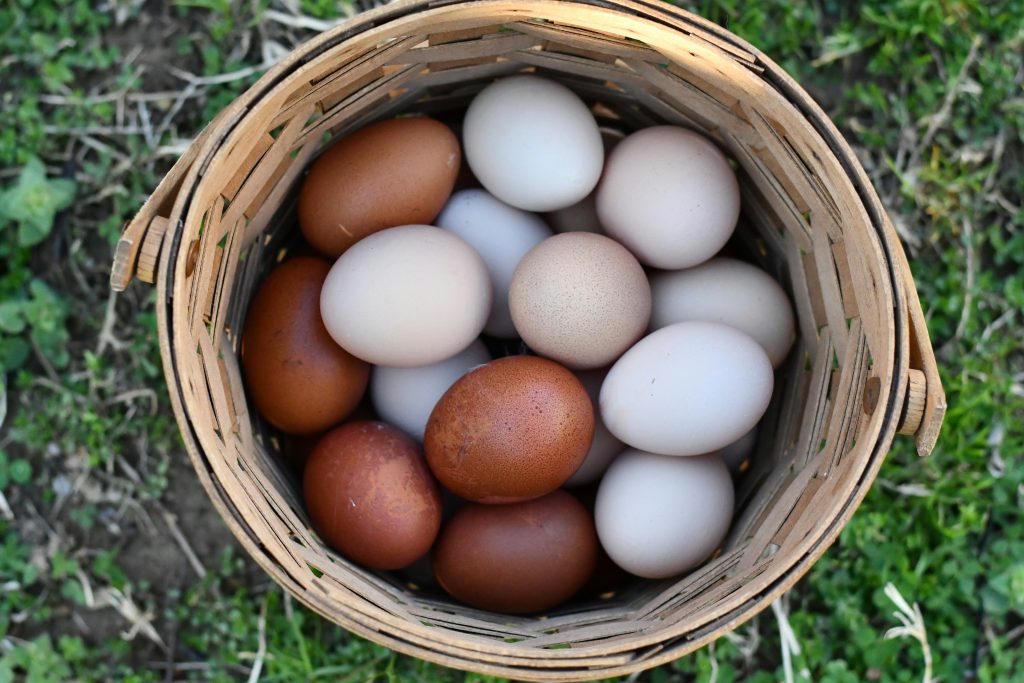
Con: All your eggs are in one basket.
Once a week I see a post from an author in one of the Faceook groups I belong to saying that their Amazon account has been frozen or terminated without warning. The author has contacted Amazon and their bots have responded but usually the author can’t get hold of a human being to get more information about what’s going on.
Sometimes these authors have violated Amazon’s terms of service, so the responsibility is theirs. But sometimes that’s not the case. Either way, suddenly that author is not earning any money.
Along these lines as well, the KDP Select Global Fund and the terms of payment from that fund are entirely subject to Amazon’s decisions and discretion. In 2015 Amazon changed the way the system worked; payments went from ‘per borrow’ to ‘per page read’.
This meant that an author only receives payment when a reader turns the digital page in an ebook. Prior to this the author was credited for the reader simply downloading the book onto their device, whether they read it or not.
Some authors saw their income halved overnight when this change came into being. Those authors had zero control over when, why and how this event unfolded. Needless to say, this kind of financial disruption was catastrophic for some. And yet it was entirely out of their control.
So…should you enroll your book in KDP Select?
I think for authors with 1 book published KU can be a good place to start. Enroll your ebook for one 90 day period and do some promotion to get reviews. 90 days is a reasonable period to try the program and see if it’s a good fit for you. You’re not committed to it forever.
Personally, I am not tempted to go all-in on KU. But then, I don’t have books in the genres for which KU really works. If you do, then it might be a good choice for you.
P.S. Throughout this article I’ve put links to Amazon’s pages with more detail about how KDP Select works. If you’re curious you can read all the nitty-gritty about the program there. For the history of KU, I recommend this article from Written word media.
This post, like every post at The Self-Publishing Coach, was written by a human – me! – Alexandra Amor.
Reading image courtesy Perfecto Capucine on Unsplash
Jar of coins image courtesy micheile henderson on Unsplash
Eggs in a basket image courtesy Holly Spangler on Unsplash

Leave a Comment